What Are the Different Types of Cataract Surgery?

When you are told that you have a cataract, one of the first questions that may come to your mind is:

“What kind of cataract surgery will I need?”

Many people are surprised to learn that cataract surgery is not discussed as just one single approach. Advances in eye care have introduced different surgical techniques, and the most suitable option can depend on several factors related to the cataract and the individual eye.

The type of cataract, its density, the condition of the eye and the surgeon’s assessment can all play a role in deciding the appropriate approach.

Understanding the different types of cataract surgery can help you feel more informed before discussing treatment with your eye specialist.

At Ishwar Eye Centre, the appropriate surgical approach is determined after a detailed evaluation of the patient’s eyes and individual visual needs.

What Happens During Cataract Surgery?

A cataract develops when the natural lens of the eye becomes cloudy.

This clouding can gradually affect vision and may cause symptoms such as blurry vision, glare, difficulty seeing at night or colours appearing less bright.

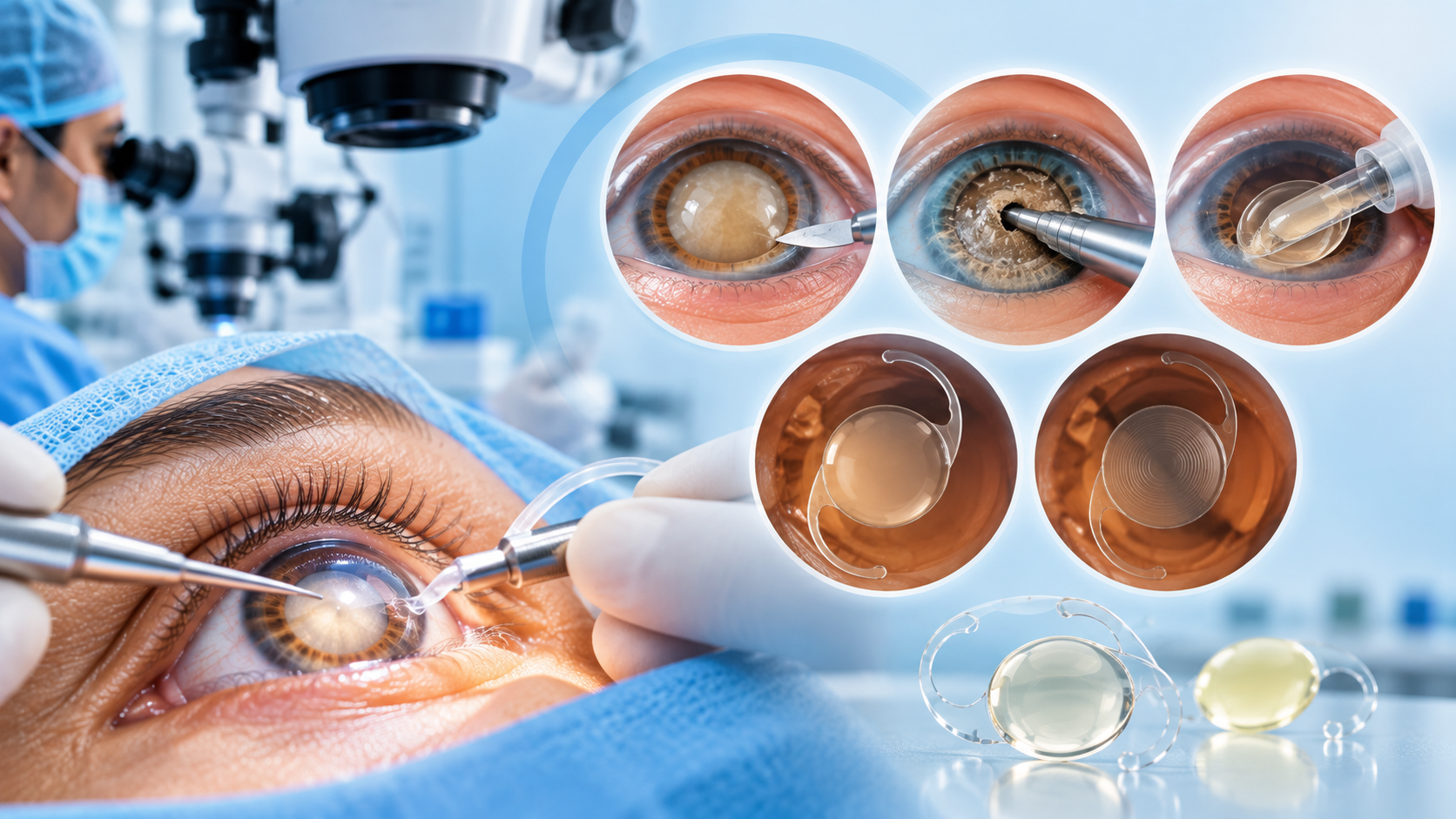
During cataract surgery, the cloudy natural lens is removed and replaced with an artificial lens called an intraocular lens.

The technique used to remove the cataract can vary.

Here are some of the commonly discussed types of cataract surgery.

1. Phacoemulsification Cataract Surgery

Phacoemulsification cataract surgery is one of the commonly used techniques for cataract removal.

In this procedure, a small incision is made in the eye. An ultrasound device is then used to break the cloudy lens into smaller pieces.

These pieces are carefully removed from the eye, and an artificial intraocular lens is placed to replace the natural lens.

Because the cataract is broken into smaller fragments, the lens can be removed through a relatively small opening.

Phacoemulsification has become a widely used approach in modern cataract surgery, but the suitability of the procedure depends on the individual eye and cataract condition.

What Are the Advantages of Phacoemulsification?

Phacoemulsification is associated with a smaller incision compared with some traditional surgical approaches.

The procedure may offer benefits such as:

• A relatively small surgical incision

• Reduced need for stitches in suitable cases

• A shorter recovery period in many patients

• The ability to remove the cataract through a smaller opening

However, every surgery and recovery experience can vary.

Your eye doctor can explain whether phacoemulsification is suitable based on the condition of your eye.

2. Micro Incision Cataract Surgery, MICS

Micro incision cataract surgery, or MICS, is a cataract surgery technique performed through a very small incision.

It is based on the principle of removing the cataract through a smaller surgical opening.

Specialised instruments and techniques are used during the procedure.

The goal is to minimise the size of the incision while safely removing the cataract and placing an intraocular lens.

The exact approach can depend on factors such as the cataract, the condition of the cornea and other individual eye characteristics.

How Is MICS Different From Regular Cataract Surgery?

The main difference relates to the size of the incision used during the procedure.

Micro incision cataract surgery uses a very small incision and may involve specialised equipment and surgical techniques.

However, a smaller incision alone does not mean that one procedure is automatically better for every patient.

The right approach depends on several factors.

Your eye surgeon will recommend the technique that is most appropriate for your individual condition.

3. Small Incision Cataract Surgery, SICS

Small incision cataract surgery, or SICS, is another approach used for cataract removal.

During this procedure, a small incision is made to remove the cataract and replace the cloudy natural lens with an intraocular lens.

SICS may be considered in certain situations depending on the nature and density of the cataract and other eye related factors.

The surgical technique and incision are different from those used in phacoemulsification.

Your eye doctor can explain which technique may be suitable and why.

When Is Small Incision Cataract Surgery Considered?

The choice between small incision cataract surgery and other techniques depends on the individual patient.

Factors that may influence the decision include:

• The type and density of the cataract

• The overall condition of the eye

• Corneal health

• Previous eye conditions or surgeries

• The surgeon’s assessment

There is no single cataract surgery technique that is ideal for every person.

A detailed examination helps determine the safest and most appropriate option.

4. Laser Assisted Cataract Surgery, FLACS

Laser assisted cataract surgery, also known as FLACS, uses femtosecond laser technology during certain steps of cataract surgery.

The laser may be used to assist with specific parts of the procedure, depending on the surgical plan and the patient’s eye condition.

After the laser assisted steps, additional surgical steps are performed to remove the cataract and place the artificial lens.

FLACS is different from traditional phacoemulsification techniques because laser technology is used during selected stages of the surgery.

FLACS can prolong the surgical time because two machines and multiple interfaces are involved.

However, laser assisted surgery may not be necessary or suitable for every cataract.

Your eye doctor can help you understand whether this approach is appropriate for your condition.

Is Laser Assisted Cataract Surgery Better?

This is a common question.

The answer is not the same for everyone.

Technology can play an important role in cataract surgery, but the best procedure depends on your individual eye, cataract characteristics and overall treatment needs.

FLACS does not offer any proven advantage over the established phacoemulsification procedure. The laser is used only in a few steps of the procedure, while the main part of the surgery is still performed using the conventional phacoemulsification machine. There is no advantage in terms of surgical time or safety compared with phacoemulsification.

A newer or more advanced sounding technique is not automatically the right choice for every patient.

The most important thing is selecting an approach that is appropriate for your eye.

Your doctor can explain the expected benefits and limitations of the recommended procedure.

What About the Artificial Lens Used in Cataract Surgery?

The surgical technique is only one part of cataract treatment.

Another important consideration is the type of intraocular lens used to replace the cloudy natural lens.

Different lenses may be available depending on your visual needs and eye condition.

Your doctor may discuss options related to distance vision, near vision or other visual requirements.

The most appropriate lens choice depends on your individual eyes and lifestyle needs.

This is why cataract surgery planning usually involves more than simply choosing between different surgical techniques.

How Does the Doctor Decide Which Cataract Surgery Is Right for You?

Your cataract surgeon will usually consider several factors before recommending a surgical approach.

These may include:

• The density and type of cataract

• The condition of your cornea

• The overall health of your eye

• Previous eye surgery

• Your visual requirements

• Other existing eye conditions

• The results of your eye examination

The decision is personalised.

Two people with cataracts may not necessarily need the exact same surgical approach.

Which Type of Cataract Surgery Has the Fastest Recovery?

Recovery after cataract surgery can depend on several factors, including the technique used and the condition of the individual eye.

Some procedures use smaller incisions, which may influence the recovery process.

However, recovery should not be judged only by the size of the incision.

Your overall eye health, the complexity of the surgery and how well you follow post operative instructions can also affect healing.

Your doctor can give you a better understanding of what to expect based on the procedure recommended for you.

Is Cataract Surgery Painful?

Cataract surgery is usually performed with appropriate anaesthesia to keep the procedure comfortable.

You may feel some pressure or sensations during the procedure, but your surgical team will guide you throughout the process.

After surgery, mild discomfort or irritation may occur during the initial recovery period.

Your doctor will provide instructions about medications and eye care after the procedure.

If you experience severe pain or a sudden change in vision after surgery, it is important to contact your eye doctor.

Choosing the Right Approach Matters

Learning about the different types of cataract surgery can help you understand the options available.

Phacoemulsification cataract surgery, micro incision cataract surgery, small incision cataract surgery and laser assisted cataract surgery are different approaches that may be considered depending on the individual case.

The goal is not to choose the procedure with the most advanced sounding name.

It is to choose the approach that is safe and appropriate for your eyes.

At Ishwar Eye Centre, a detailed eye evaluation can help determine the suitable cataract treatment approach based on your cataract, eye health and visual needs.

If you have been advised cataract surgery, discussing your concerns with an eye specialist can help you understand the procedure, recovery and treatment options available to you.

The right information can make the journey feel a little less overwhelming.

And when it comes to your vision, understanding your options is always a good place to begin.

Frequently Asked Questions

What are the different types of cataract surgery?

Some commonly discussed types include phacoemulsification cataract surgery, micro incision cataract surgery, small incision cataract surgery and laser assisted cataract surgery.

What is phacoemulsification cataract surgery?

Phacoemulsification is a technique in which ultrasound energy is used to break the cloudy cataract lens into smaller pieces so that it can be removed through a relatively small incision.

What is micro incision cataract surgery?

Micro incision cataract surgery, or MICS, is performed through a very small surgical incision using specialised instruments and techniques.

What is small incision cataract surgery?

Small incision cataract surgery, or SICS, is another surgical approach used to remove a cataract and replace the cloudy natural lens with an artificial intraocular lens.

What is laser assisted cataract surgery, FLACS?

FLACS uses femtosecond laser technology to assist with selected steps during cataract surgery. Your eye doctor can determine whether it is appropriate for your individual condition.

Which type of cataract surgery is best?

There is no single procedure that is best for everyone. The most suitable technique depends on factors such as the cataract, eye health and individual visual requirements.

How does a doctor decide which cataract surgery is suitable?

Your doctor may consider the type and density of the cataract, corneal health, overall eye condition, previous eye procedures and your visual needs before recommending a surgical approach.

Can Cataracts Reoccur After Cataract Surgery?

You have undergone cataract surgery, your vision improved, and life gradually became clearer again.

Then, months or even years later, you start noticing something familiar.

Your vision seems blurry again.

Naturally, one question may come to mind:

“Can cataracts come back after surgery?”

The short answer is no, the original cataract does not come back.

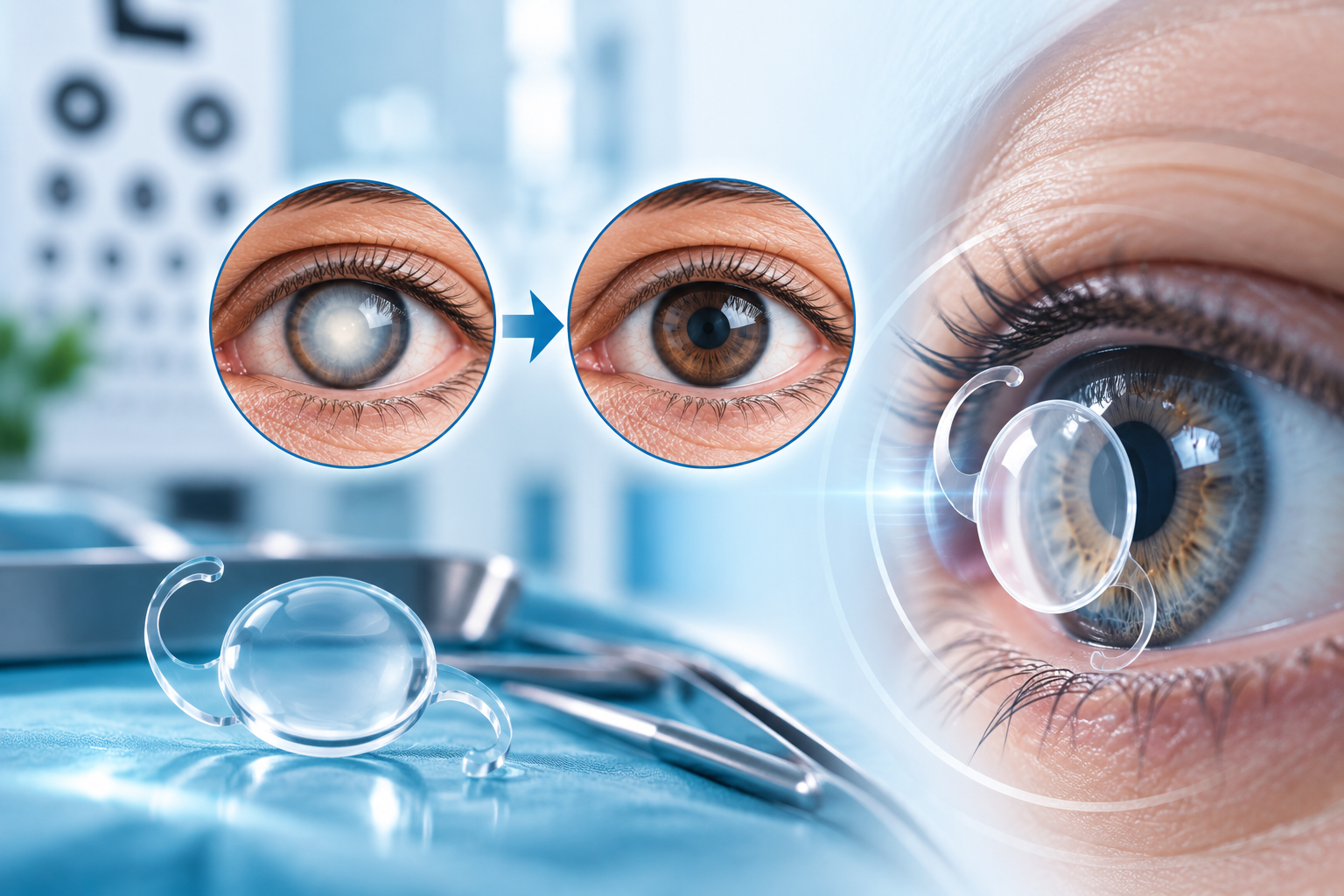
During cataract surgery, the cloudy natural lens is removed and replaced with an artificial lens. Since the natural lens has been removed, the same cataract cannot form again.

However, some people may experience blurry vision after cataract surgery due to a condition called posterior capsule opacification, or PCO. This is sometimes referred to as a “secondary cataract”, even though it is not actually a new cataract.

Understanding the difference can help you know what may be happening and when it is time to see your eye doctor.

Can Cataracts Come Back After Surgery?

No. A cataract does not grow back after the natural lens has been removed during cataract surgery.

But this is where the confusion often begins.

During surgery, the artificial lens is usually placed inside a thin membrane called the lens capsule. Over time, the back part of this capsule can become cloudy in some patients.

When this happens, it can affect the clarity of vision.

Because the symptoms may feel similar to cataract symptoms, many people believe that their cataract has returned.

In reality, it may be posterior capsule opacification, also known as PCO.

What Is Posterior Capsule Opacification?

Posterior capsule opacification occurs when the back portion of the lens capsule becomes cloudy after cataract surgery.

The capsule itself is an important part of the eye because it helps hold the artificial lens in place.

Over time, changes in cells around the capsule can cause this area to become less clear. As a result, light may not pass through the eye as clearly as before.

This can lead to symptoms that feel very similar to having a cataract.

PCO is sometimes called a secondary cataract, but it is important to understand that it is not the same as a cataract coming back.

The original cataract has already been removed.

What Are Secondary Cataract Symptoms?

The symptoms of posterior capsule opacification can vary from person to person.

Some of the common secondary cataract symptoms may include:

• Blurry or cloudy vision

• Gradual reduction in vision clarity

• Glare or difficulty with bright lights

• Difficulty seeing clearly while driving at night

• Increased sensitivity to light

• Colours appearing less bright than before

• A feeling that your vision is becoming cloudy again

These symptoms can sometimes develop gradually, which is why they may not be immediately noticeable.

You may simply feel that your vision is no longer as sharp as it was after cataract surgery.

Why Is My Vision Blurry Months After Cataract Surgery?

If you are experiencing blurry vision months after cataract surgery, PCO can be one possible reason.

However, it is not the only possible cause.

Changes in the eye, dry eye, problems involving the retina or other eye conditions can also affect vision after cataract surgery.

This is why it is important not to assume that blurry vision is automatically due to a secondary cataract.

An eye examination can help identify what is actually causing the change in your vision.

If your vision was clear after surgery and has gradually started becoming blurry again, it is worth discussing this with your eye doctor.

How Soon Can Posterior Capsule Opacification Develop?

PCO does not always develop at the same time for everyone.

Some people may develop it months after cataract surgery, while others may notice changes much later.

Not everyone who undergoes cataract surgery will experience posterior capsule opacification.

The timing and likelihood can vary depending on individual factors.

This is one reason why regular eye check ups remain important even after a successful cataract procedure.

Your eye doctor can monitor your vision and identify any changes that may need attention.

Is Posterior Capsule Opacification Serious?

PCO can affect the quality of your vision, but it can usually be treated.

The important thing is to have your symptoms evaluated properly.

Do not ignore gradual changes in vision simply because you have already undergone cataract surgery.

Many people assume that once cataract surgery is completed, they will never need another eye examination.

But your eyes can still experience other changes over time.

Regular eye care helps identify whether blurry vision is related to PCO or another eye condition that may require a different approach.

How Is Posterior Capsule Opacification Treated?

When PCO significantly affects vision, your eye doctor may recommend a procedure called YAG laser capsulotomy.

This procedure uses a specialised laser to create a small opening in the cloudy part of the capsule.

This allows light to pass through more clearly again.

YAG laser capsulotomy is different from cataract surgery. It does not involve removing the artificial lens.

The procedure is usually performed to address the cloudy capsule that has developed behind the lens implant.

Your doctor will first examine your eye and determine whether YAG laser treatment is appropriate for your condition.

What Happens During a YAG Laser Capsulotomy?

Before the procedure, your eye doctor may use eye drops to prepare your eye.

You will usually sit in front of the laser machine while the doctor performs the treatment.

The laser creates an opening in the cloudy posterior capsule.

The procedure is generally completed without the need for another cataract operation.

Your doctor will explain what to expect based on your individual condition and may provide specific instructions for aftercare.

What Is YAG Laser Capsulotomy Recovery Like?

One common question is about YAG laser capsulotomy recovery.

Recovery can vary from person to person, but many patients can return to their regular routine relatively soon after the procedure.

Your doctor may prescribe eye drops and advise you about any precautions you need to follow.

Some people may notice improvement in their vision after treatment, while the exact timing can vary depending on the individual eye and any other underlying conditions.

It is important to attend any follow up appointments recommended by your doctor.

These visits allow your eye specialist to check your recovery and ensure that your eye is responding appropriately after the procedure.

Can Posterior Capsule Opacification Come Back After YAG Laser Treatment?

The treatment creates an opening in the cloudy capsule to allow light to pass through more clearly.

Your eye doctor can explain what to expect in your individual case and answer any concerns you may have about long term vision after treatment.

If you experience changes in your vision after any eye procedure, it is always best to have them evaluated rather than making assumptions about the cause.

When Should You See an Eye Doctor?

You should consider seeing an eye doctor if you notice a gradual or sudden change in your vision after cataract surgery.

This may include:

• Blurry or cloudy vision

• Increasing glare

• Difficulty seeing at night

• Sudden changes in vision

• New flashes of light

• A sudden increase in floaters

• Eye pain or significant redness

Not every change in vision after cataract surgery is caused by PCO.

An examination can help determine whether the problem is related to posterior capsule opacification or another eye condition.

Cataract Surgery Is Not the End of Eye Care

Cataract surgery can significantly improve vision affected by a cloudy lens.

But having cataract surgery does not mean you will never need another eye examination.

PCO, dry eye, retinal conditions and other eye problems can still affect vision after surgery.

If your vision becomes blurry again, the answer may not be that your cataract has returned.

In many cases, the cause needs to be properly identified before deciding what treatment is appropriate.

At Ishwar Eye Centre, patients can receive evaluation for changes in vision after cataract surgery and guidance about appropriate treatment options based on their individual eye condition.

The most important thing is not to ignore changes.

If your vision was clear and has gradually become cloudy again, getting it checked can help you understand what is happening and what can be done next.

Frequently Asked Questions

Can cataracts come back after surgery?

No. The original cataract does not come back because the cloudy natural lens is removed during cataract surgery. However, some people may develop posterior capsule opacification, which can cause similar symptoms.

What is a secondary cataract?

A secondary cataract is a common term used to describe posterior capsule opacification. It is not a new cataract. It occurs when the capsule behind the artificial lens becomes cloudy.

What are the symptoms of posterior capsule opacification?

Symptoms may include blurry or cloudy vision, glare, sensitivity to light, difficulty seeing at night and a gradual reduction in vision clarity.

Why is my vision blurry months after cataract surgery?

PCO can be one possible cause of blurry vision months after cataract surgery. However, other eye conditions can also affect vision, so an eye examination is important.

How is posterior capsule opacification treated?

If PCO is affecting your vision, your eye doctor may recommend YAG laser capsulotomy to create an opening in the cloudy capsule.

Is YAG laser capsulotomy another cataract surgery?

No. YAG laser capsulotomy is different from cataract surgery. It is a laser procedure used to treat clouding of the posterior capsule after cataract surgery.

How long does YAG laser capsulotomy recovery take?

Recovery can vary from person to person. Your doctor can provide specific guidance about aftercare, medications and when you can return to your regular activities.

Post Op Instructions After Cataract Operation

Cataract surgery is an important step towards improving vision. For many people, the procedure itself may feel like the biggest part of the journey.

But the care you take after surgery matters too.

Once you return home, you may have several questions. Can I wash my face? Can I sleep normally? Why is my vision still slightly blurry? When can I get back to my regular routine?

These are all common concerns.

The eye needs time to heal after cataract surgery, and following the instructions given by your doctor can help support a smooth recovery. While recovery can vary from person to person, understanding the basic post op instructions after cataract operation can help you feel more prepared during the healing period.

At Ishwar Eye Centre, patients are guided about the care and precautions they need to follow after cataract surgery based on their individual condition and recovery.

What Happens After Cataract Surgery?

Cataract surgery involves removing the cloudy natural lens and replacing it with an artificial intraocular lens.

Although the procedure is usually completed in a relatively short time, the eye still needs time to heal afterwards.

During the initial recovery period, some people may experience mild discomfort, watering, sensitivity to light or slightly blurred vision. These symptoms can vary depending on the individual and the type of cataract surgery performed.

The most important thing is to follow your doctor’s advice and attend your scheduled follow up appointments.

Here are some important cataract surgery recovery precautions to keep in mind.

1. Use Your Eye Drops as Prescribed

After cataract surgery, your doctor may prescribe eye drops to support the healing process and help manage inflammation or reduce the risk of infection.

It is important to use them exactly as instructed. If you need to use more than one type of eye drop, wait at least 10 minutes between any two drops.

Before applying eye drops, wash your hands properly. Try not to touch the tip of the bottle with your fingers, eyelashes or eye.

Do not stop using your medication simply because your eye feels better.

Your doctor will advise you about how often to use the drops and when they can be reduced or stopped.

2. Avoid Rubbing or Pressing Your Eye

Your eye may feel slightly itchy or uncomfortable during the early stages of recovery.

It can be tempting to rub it.

Try not to.

Rubbing or pressing the operated eye can interfere with healing and may cause unnecessary irritation. If your eye is watering, gently clean the area around the eye without applying pressure directly to it.

If you experience persistent discomfort or irritation, speak to your eye doctor rather than trying to treat the problem yourself.

3. Protect Your Eye While Sleeping

Your doctor may recommend wearing an eye shield while sleeping for a certain period after cataract surgery.

This helps protect the eye from accidental rubbing or pressure while you are asleep.

We often move without realising it during the night. An eye shield can provide an additional layer of protection during the initial healing period.

Follow your doctor’s instructions about when and how long to use it.

4. Be Careful While Bathing and Washing Your Face

You can continue with your regular hygiene routine, but you may need to take extra care during the initial recovery period.

Avoid getting soap, shampoo or unclean water directly into the operated eye.

When washing your face, do so gently and avoid rubbing around the eye. If you are washing your hair, be careful to prevent shampoo or water from entering the eye.

Your doctor may provide specific instructions depending on your recovery.

Following them carefully can help protect the healing eye.

5. Avoid Heavy Lifting and Strenuous Activities

After cataract surgery, you may start feeling better quite quickly.

That does not always mean the eye has completely healed.

Avoid heavy lifting, intense exercise and strenuous physical activities until your doctor advises that it is safe to resume them.

The recovery timeline can differ from person to person. Your eye doctor can guide you about when you can gradually return to your normal routine.

6. Avoid Dust and Other Irritants

During the recovery period, it is important to protect your eye from dust, smoke and other irritants. For at least 7 days after surgery, avoid dust, direct sunlight and anything that may irritate the operated eye.

If you need to step outside, your doctor may recommend appropriate eye protection. Avoid exposing the operated eye to direct sunlight and take suitable precautions when outdoors.

Try to avoid situations where dust or particles can easily enter your eye. Also, avoid getting water directly into the operated eye during this early recovery period.

A little caution during the early days can help prevent unnecessary irritation.

7. Do Not Go Swimming Until Your Doctor Advises It

Swimming pools and other water bodies may expose the healing eye to bacteria and other irritants.

It is usually important to avoid swimming until your eye doctor confirms that it is safe to resume.

If you are unsure about any activity during your recovery, it is always better to ask.

A quick question to your doctor can prevent unnecessary complications.

8. Avoid Eye Makeup for Some Time

Eye makeup such as kajal, eyeliner and mascara should generally be avoided during the initial healing period.

Makeup products can introduce particles or bacteria close to the operated eye.

Your doctor can tell you when it is safe to start using eye cosmetics again.

Until then, giving your eye a little break is the safer option.

9. Give Your Vision Time to Improve

One of the most common concerns after cataract surgery is:
“My vision is not completely clear yet. Is something wrong?”

Not always.

Vision can take time to settle after surgery. Some people may notice improvement quickly, while others may experience temporary blurriness or changes in vision during the healing period. If glasses are required after cataract surgery, they are generally advised at around 4 weeks after surgery.

The exact recovery experience can vary.

However, if you notice a sudden change in your vision or something that feels unusual, contact your doctor rather than waiting for it to improve on its own.

10. Do Not Drive Until You Are Advised It Is Safe

Clear and stable vision is important for driving safely.

After cataract surgery, your vision may still be adjusting. Your doctor will guide you about when it is appropriate for you to resume driving.

Do not rush this step.

Even if you feel better, it is important to make sure your vision is suitable for safe driving.

11. Attend All Your Follow Up Appointments

Follow up visits are an important part of cataract surgery recovery.

Your eye doctor may examine your eye to check how well it is healing and whether there are any concerns that need attention.

Even if your eye feels fine and your vision seems to be improving, do not skip your scheduled appointments.

Some concerns may not always cause obvious symptoms in the beginning.

Regular follow up allows your doctor to monitor your recovery and guide you appropriately.

What Symptoms Should You Not Ignore?

Most people recover well after cataract surgery. However, certain symptoms should be checked by an eye doctor as soon as possible.

Contact your doctor if you experience:

• Severe or increasing eye pain

• Sudden decrease in vision

• Increasing redness in the eye

• Significant swelling

• Sudden flashes of light

• A sudden increase in floaters

• Any major or unusual change in your vision

Do not assume that a concerning symptom will simply go away.

If something feels different or unusual, getting medical advice early is always the better approach.

How Long Does Cataract Surgery Recovery Take?

Recovery after cataract surgery can vary depending on several factors, including your overall eye health and the type of procedure performed.

Some people may notice improvement in their vision within a short period, while complete healing and visual stabilisation can take longer.

Your doctor can provide a clearer idea about what to expect based on your individual condition.

The important thing is not to compare your recovery with someone else’s.

Every eye heals differently.

Can You Return to Normal Activities After Cataract Surgery?

Many people can gradually return to their daily activities after surgery, but certain activities may need to be avoided temporarily.

The timing can depend on the activity and your individual recovery.

Light daily activities may be resumed earlier, while strenuous exercise, swimming and heavy lifting may require more time.

Our cataract doctor in Rohtak can advise you about when it is appropriate to return to your normal routine.

A Smooth Recovery Starts With the Right Care

Cataract surgery can help improve vision affected by a cloudy lens, but the care you take after surgery is also an important part of the treatment journey.

Use your prescribed medications properly. Avoid rubbing your eye. Protect it from dust and irritation. Give your vision time to settle. And most importantly, attend your follow up appointments.

At Ishwar Eye Centre, a QR code is provided on the discharge card and in the patient folder. It links to a video with all the discharge instructions, so patients can easily watch and understand the care they need to follow after surgery.

We also provide a handy picture chart with cartoons that explains common dos and don’ts after surgery in both Hindi and English, making the instructions easier to understand and follow.

If you have questions about your recovery, do not hesitate to ask your eye doctor.

At Ishwar Eye Centre, patients undergoing cataract treatment can receive guidance about post operative care and the precautions they need to follow during recovery.

The goal is simple.

To help you understand what is happening, what to expect and when you may need to seek medical advice.

Frequently Asked Questions

Can I wash my face after cataract surgery?

You may be able to wash your face carefully after surgery, but it is important to avoid getting water, soap or shampoo directly into the operated eye. Follow the specific instructions given by your eye doctor.

Can I rub my eye after cataract surgery?

No. Rubbing or pressing the operated eye should be avoided during the recovery period. If you experience irritation or discomfort, speak to your doctor.

How long will my vision be blurry after cataract surgery?

Vision recovery can vary from person to person. Some people notice improvement quickly, while others may experience temporary blurriness as the eye heals. Your doctor can guide you based on your individual recovery.

When can I start exercising after cataract surgery?

The timing depends on your recovery and the type of exercise. Light activities may be resumed earlier, while strenuous exercise and heavy lifting may need to be avoided for a longer period. Ask your doctor before returning to intense physical activity.

Can I sleep normally after cataract surgery?

Your doctor may advise you to use an eye shield while sleeping during the initial recovery period to prevent accidental rubbing or pressure on the eye.

When should I contact my eye doctor after cataract surgery?

Contact your doctor if you experience severe pain, sudden loss of vision, increasing redness, significant swelling, flashes of light or any sudden and unusual change in your vision.

Where can I find an eye hospital for cataract surgery in Rohtak?

If you are looking for an eye hospital for cataract surgery or need guidance about cataract treatment and recovery, consulting an experienced eye specialist can help you understand the appropriate treatment and care for your individual condition.

Do I Need Cataract Surgery? 7 Questions to Ask Your Eye Doctor at Ishwar Eye Centre

Do I Need Cataract Surgery? 7 Questions to Ask Your Eye Doctor at Ishwar Eye Centre

If your vision has started to feel cloudy, blurry, or less vibrant, you might be wondering, “Do I need cataract surgery?” Cataracts are a common condition that affects your eyes and primarily more common as we grow older. Luckily enough, cataracts are also one of the most treatable forms of vision loss by a doctor. Our objective at Ishwar Eye Centre is clarity. Clarity not just in visual function, but in making decisions too.

This blog is intended to help you formulate the important questions to ask your eye doctor, so that you can develop a better understanding of your condition, treatment options and if cataract surgery is right for you.

1. Do I Actually Have Cataracts?

The first step of answering “Do I need cataract surgery?” is determining if you have cataracts at all. A cataract forms when the natural lens of your eye has become cloudy (many times due to aging, but not only), exposure to UV rays over time, or even as a result of certain health conditions, such as diabetes.

Questions you may want to ask your eye doctor, to get clarity on if you’ve got cataracts:

  • 1. Can you show me where the cataract is?
  • 2. How bad is it?
  • 3. Do I have cataracts in both eyes?

If you’re at Ishwar Eye Centre, the Best Eye Hospital in Rohtak, our team of eye care specialists have the experience and use advanced diagnostic procedures to ensure you eye assessment is as comfortable and accurate as possible.

2. How Are Cataracts Impacting My Daily Life?

Many people experience cataracts that qualify as “mild” for their entire lives before requiring surgery. The main indication for surgery is if the cataract interferes in your ability to do activities that matter to you, such as reading, driving, or recognizing the faces of loved ones.

Ask yourself:

  • Do I avoid night time driving due to headlights glare?
  • Do colors look faded or yellowed?
  • Am I having difficulty reading small print even if I wear glasses?

Then ask your doctor the following:

“Based on these symptoms, do I need cataract surgery?”

At Ishwar Eye Centre, our specialists—led by the Best Eye Doctor in Rohtak—will help you make a decision that matches your lifestyle, not just your test results.

3. What Are My Surgery Options?

Today, cataract surgery is safer, faster, and more advanced than ever. At Ishwar Eye Centre, we offer Image Guided Cataract Surgery with AI in the State of Haryana, providing unrivaled precision and outcomes.

Ask your doctor:

  • What type of cataract surgery do you recommend for me?
  • How does image guided AI-assisted surgery improve my results?

AI-guided systems are able to precisely map the eye allowing the surgeon to place the artificial lens in the best possible position. This can lead to less dependence on spectacles, and clearer vision immediately after surgery.

4. What Kind of Lens Implant Will I Receive?

Your clouded natural lens will be taken out during cataract surgery and then replaced with your brand new, clear, artificial intraocular lens (IOL). However, not all lenses are the same. It is important to understand what your options are.

Ask:

  • What is the difference between monofocal, multifocal, and toric lenses? 
  • Will the lens you recommend allow me to see near and far?

At Ishwar Eye Centre, we have outlined step by step recovery instructions for you to follow. Additionally, with Image Guided Cataract Surgery with AI in Haryana, the procedure is minimally invasive so most patients have a return to a normal life within a few days.

5. What Will Recovery Be Like?

If you’re asking “Do I need cataract surgery?” you probably also want to know what life looks like after surgery. The good news is recovery is usually quick and relatively easy.

Ask your doctor:

  • How long will I need to rest?
  • Are there any risks or side effects?
  • When can I resume daily activities like driving or cooking?

At Ishwar Eye Centre, we provide step-by-step instructions for recovery. Plus, with Image Guided Cataract Surgery with AI in Haryana, the procedure is minimally invasive, so most patients return to normal life within a few days.

6. What Will Happen If I Wait?

Sometimes, patients choose to delay cataract surgery. This might be fine in early stages, but there are risks to waiting too long.

Ask:

  • Will my vision get worse if I wait?
  • Can cataracts cause permanent damage if untreated?

In some cases, advanced cataracts can make surgery more complex and increase the risk of complications. Your doctor at Ishwar Eye Centre, the Best Eye Hospital in Rohtak, will provide honest guidance based on your specific condition.

7. Am I in Safe Hands?

When considering any surgery, especially one as important as your eyes, it’s natural to ask about safety and expertise.

Ask:

  • How many cataract surgeries has the doctor performed?
  • What is the success rate at this hospital?

Our surgeons at Ishwar Eye Centre have performed thousands of successful cataract procedures. We are known for delivering consistent, high-quality results. We use cutting-edge technology like Image Guided Cataract Surgery with AI in Haryana to ensure the highest level of safety and precision.

When you’re treated by the Best Eye Doctor in Rohtak at the Best Eye Hospital in Rohtak, you can rest easy knowing you’re in the best possible care.

Final Thoughts: Will I Need Cataract Surgery?

When you ask yourself whether you need cataract surgery, you are not only asking a medical question, but also a life question. If your visual limitations are having a negative impact on your confidence, your safety or your quality of life in general, it may be time to examine cataract surgery.

At Ishwar Eye Centre, we take you seriously. Whether you are in the early stages of a cataract and simply need an assessment, or have made the decision to have your cataracts evaluated for surgery, we will be eager to support you with specialized expertise, compassion and best standards of care.

We provide:

  • Consultations with the best eye doctor in Rohtak
  • Best eye hospital in Rohtak with state-of-the-art facilities
  • High-precision Image Guided Cataract Surgery with AI in Haryana

Ready to See Clearly Again?

Don’t wait for your cloudy vision to get in the way of your life. If you are still asking yourself “Do I need cataract surgery?”—it is time to contact our office and schedule a consultation. We put your vision as our number one priority at Ishwar Eye Centre.

Contact us today to learn how we can help to take the first steps towards a better tomorrow—more clearly.

best eye hospital in Rohtak

Find the Best Eye Hospitals in Rohtak

Find the Best Eye Hospitals in Rohtak 

 Ishwar Eye Centre: A Beacon of Excellence

  1. State-of-the-Art Infrastructure:

Ishwar Eye Centre is synonymous with advanced infrastructure, housing cutting-edge equipment that ensures accurate diagnostics and precise treatments. From routine eye examinations to intricate surgeries, the centre’s facilities are designed to cater to a diverse range of eye care needs.

  1. Comprehensive Services:

What sets Ishwar Eye Centre apart is its comprehensive approach to eye care. The institution offers a broad spectrum of services, including routine eye check-ups, cataract surgeries, Cornea Transplant, Retina SX, ROP Treatment, Squint Surgery,myopia Control, LASIK procedures, glaucoma treatment, and more. The emphasis on providing end-to-end solutions makes it a preferred choice for individuals seeking holistic eye care.

  1. Expert Team of Ophthalmologists:

At the heart of Ishwar Eye Centre’s success is its team of skilled and experienced ophthalmologists. These experts cover various subspecialties, ensuring that patients receive specialized care tailored to their unique eye health requirements. Our Eye Specialists are trained from India’s best Institutes like Sankara Nethralaya Chennai and LV prasad eye hospital Hyderabad.

  1. Patient-Centric Approach:

Ishwar Eye Centre places patient well-being at the forefront. The compassionate and patient-centric approach ensures that individuals feel supported throughout their eye care journey. This commitment to personalized care has garnered trust and loyalty from the community.

Ishwar Eye Centre in Rohtak: Unrivaled Excellence in Eye Care with Leading Ophthalmologists and Advanced Technology 

Ishwar Eye Centre in Rohtak is widely regarded as the best eye hospital in the area. With a team of highly skilled ophthalmologists and state-of-the-art facilities, the hospital is committed to providing the highest quality eye care to patients. The hospital offers a wide range of services including comprehensive eye exams, cataract surgery, LASIK, Cornea Transplant, Retina SX, ROP Treatment, Squint Surgery,myopia Control, glaucoma treatment, and retinal surgeries. Patients at Ishwar Eye Centre can expect personalized care and attention from the moment they walk through the doors. The hospital is equipped with advanced diagnostic and surgical equipment to ensure accurate and effective treatment for all eye conditions. The team at Ishwar Eye Centre is dedicated to staying at the forefront of advancements in eye care, consistently updating their techniques and technology to provide the best possible outcomes for their patients. With a focus on patient safety and satisfaction, Ishwar Eye Centre is the top choice for anyone seeking exceptional eye care in Rohtak.  

Ishwar Eye Centre in Rohtak Emerges as the Epitome of Excellence in Eye Care, Offering Cutting-Edge Services and Patient-Centric Approach

When it comes to eye care, ISHWAR EYE CENTRE in Rohtak stands out as one of the best eye hospitals in the region. The hospital is renowned for its comprehensive services, which include the latest technology in cataract surgery and Lasik procedures. The expert team of ophthalmologists at ISHWAR EYE CENTRE is highly skilled in diagnosing and treating a wide range of eye conditions, ensuring that patients receive the best possible care. What sets this hospital apart is its patient-centric approach, ethical eye care with complete integrity where the needs and concerns of each individual are given utmost priority. Patients can be assured that they will receive personalized attention and care throughout their treatment journey. With a strong emphasis on quality and safety, ISHWAR EYE CENTRE has earned the trust and confidence of the community, making it the go-to destination for anyone seeking top-notch eye care in Rohtak.


Ishwar Eye Centre in Rohtak Surpasses Competitors with Cutting-Edge Technology and Expert Ophthalmologists, Earning Its Reputation as the Premier Choice for Superior Eye Care

For those seeking the best eye care in Rohtak, Ishwar Eye Centre stands out as a top choice. With a team of highly skilled and experienced ophthalmologists, this hospital is dedicated to providing the highest quality of eye care to its patients. Compared to other eye hospitals in the region such as Rathi Eye Hospital, Helios Eye Hospital, PGIMS, Khurana Eye Centre, and Bajaj Eye Centre, Ishwar Eye Centre is known for its state-of-the-art facilities and advanced technology for diagnosis and treatment of various eye conditions. The hospital offers a wide range of services including cataract surgery, LASIK, corneal transplants, and treatment for retinal disorders. Patients can expect personalized and compassionate care from the staff, making Ishwar Eye Centre a leading choice for eye care in Rohtak. With a commitment to excellence and a strong track record of successful outcomes, patients can trust that their vision is in good hands at Ishwar Eye Centre.

best eye hospital in Rohtak

Top-rated Cataract, Retina, Lasik hospital in Rohtak for advanced eye care

Top-rated Cataract, Retina, Lasik hospital in Rohtak for advanced eye care

When it comes to eye health, finding the best eye hospital in Rohtak is crucial for receiving quality care. With a wide range of eye conditions and treatments available, it’s important to choose a hospital that meets your specific needs. Factors such as the hospital’s reputation, expertise of the doctors, and the advanced technology and services offered play a significant role in finding the right eye care provider.

Finding the Best Eye Hospital in Rohtak

What factors should I consider when choosing an eye hospital in Rohtak?

Choosing an eye hospital involves considering several essential factors. Firstly, check for the hospital’s reputation in providing quality eye care services. Look for the expertise of the eye specialists, the range of eye treatments offered, and the availability of advanced technology for eye surgery and treatments. Additionally, consider the hospital’s location, accessibility, and the variety of insurance policies and payment options available to make eye care more affordable.

What are the top-rated eye hospitals in Rohtak known for?

Top-rated eye hospitals in Rohtak are known for their comprehensive eye care services, state-of-the-art facilities, and skilled ophthalmologists. These hospitals offer a wide range of treatments, from routine eye check-ups to advanced eye surgeries such as cataract surgery, Retina Surgery and LASIK laser eye surgery, along with providing quality patient care and customer satisfaction.

How can I find the best eye hospital in Rohtak for my specific eye condition?

Finding the best eye hospital for your specific eye condition requires thorough research. Consult with ophthalmologists, read patient reviews, and seek recommendations from family and friends to find a hospital that specializes in treating your specific eye condition, whether it’s cataracts, glaucoma, or retina-related issues.

Understanding Cataract and Cataract Surgery

What are the symptoms of cataracts and when should I seek treatment?

Cataracts can cause symptoms such as blurred vision, sensitivity to light, and difficulty seeing at night. If you experience these symptoms, it’s important to seek treatment from an eye hospital in Rohtak. Early diagnosis and treatment of cataracts can prevent further vision impairment and improve the overall quality of life.

What are the latest advancements in cataract surgery techniques?

Cataract surgery techniques have advanced significantly, with the introduction of advanced technology such image guided and customized cataracts surgery. This technology provides precise incisions and helps in the accurate placement of intraocular lenses, resulting in improved visual outcomes and faster recovery for patients undergoing cataract surgery.

How can I prepare for cataract surgery in a hospital in Rohtak?

Prior to cataract surgery, your ophthalmologist will provide detailed instructions on how to prepare for the procedure. This may include undergoing pre-operative evaluations, discussing any medications or health conditions, and receiving guidance on post-operative care and medications to ensure a smooth recovery from cataract surgery.

Advanced Eye Care Services at Ishwar Eye Centre

What specialized eye care services does Ishwar Eye Centre offer in Rohtak?

Ishwar Eye Centre is a leading super-speciality eye hospital in Rohtak, offering a wide range of specialized eye care services Since 1985, including cataract surgery, LASIK laser eye surgery, treatment for retina-related disorders, glaucoma management, and comprehensive eye check-ups for patients of all ages.

How does Ishwar Eye Centre stand out as a super speciality eye hospital in Rohtak?

Ishwar Eye Centre stands out as a super speciality eye hospital in Rohtak due to its team of experienced eye specialists, advanced diagnostic and surgical technologies, and a patient-centric approach to eye care. The hospital is known for its commitment to providing personalized and high-quality eye care services to all patients.

What do patients say about the eye care and treatment provided by Ishwar Eye Centre in Rohtak?

Patients who have received eye care and treatment at Ishwar Eye Centre in Rohtak have consistently praised the hospital for its excellent services, compassionate staff, and successful outcomes of eye surgeries and treatments. The positive testimonials from patients highlight the hospital’s dedication to delivering exceptional eye care.

Comprehensive Eye Care Beyond Cataract Treatment

What other eye conditions and treatments does the best eye hospital in Rohtak cover?

The best eye hospital in Rohtak provides comprehensive care for various eye conditions, including glaucoma, diabetic retinopathy, macular degeneration, and corneal disorders. Additionally, the hospital offers advanced treatments for refractive errors, such as LASIK surgery and implantable contact lenses (ICL), to improve vision and reduce dependency on glasses or contact lenses.

How does Ishwar Eye Centre ensure better care for patients beyond cataract treatment?

Ishwar Eye Centre focuses on delivering better care for patients beyond cataract treatment by offering specialized clinics for various eye conditions, conducting regular eye health awareness programs, and providing ongoing support and follow-up care for patients to ensure their long-term eye health and well-being.

What are the insurance policies and payment options available for comprehensive eye care at Ishwar Eye Centre?

Ishwar Eye Centre offers a range of insurance tie-ups and payment options, making quality eye care accessible and affordable for all. Patients can benefit from cashless treatment facilities, installment payment plans, and coverage under leading insurance providers, ensuring that financial constraints do not hinder their access to comprehensive eye care services.

Connecting with the Best Eye Hospital for Your Needs

How can I schedule a consultation with an ophthalmologist at Ishwar Eye Centre in Rohtak?

To schedule a consultation with an ophthalmologist at Ishwar Eye Centre in Rohtak, you can easily request an appointment through the hospital’s website or contact their dedicated patient care helpline. The hospital’s efficient appointment scheduling system ensures that you can promptly connect with an eye specialist for a thorough evaluation and personalized treatment plan.

What are the contact details and locations of Ishwar Eye Centre for eye care in Rohtak?

Ishwar Eye Centre in Rohtak is conveniently located at well-accessible location. The hospital’s contact details and clinic addresses are readily available on their website, allowing patients to reach out for eye care services or directions to the nearest clinic.

How can I access patient reviews and testimonials to evaluate the customer satisfaction at Ishwar Eye Centre in Rohtak?

Patient reviews and testimonials about the customer satisfaction at Ishwar Eye Centre are easily accessible on their website and other online platforms. By reading through the experiences shared by other patients, you can gain insights into the hospital’s quality of care, successful treatment outcomes, and overall patient satisfaction, helping you make an informed decision about receiving eye care at Ishwar Eye Centre.

Frequently Asked Questions about the Best Cataract Hospital in Rohtak

1. What makes Ishwar Eye Centre the best cataract hospital in Rohtak?

Ishwar Eye Centre is renowned for its state-of-the-art facilities and a team of highly skilled ophthalmologists in Rohtak. The hospital specializes in cataract surgery and offers a wide range of eye care services with the latest technology. It’s the only center in Rohtak that offers customized cataract Surgery

2. How does Ishwar Eye Centre ensure the best eye care for patients in Rohtak?

Ishwar Eye Centre is dedicated to providing comprehensive eye care to the residents of Rohtak. The center is equipped with advanced eye surgery facilities to address eye conditions such as glaucoma, retina disorders, and refractive errors.

3. Why is Ishwar Eye Centre considered the leading eye hospital in Rohtak?

With a reputation for excellence, Ishwar Eye Centre is recognized as the super specialty eye hospital offering a wide range of eye services. The center is committed to providing quality eye care and addressing various eye problems.

4. How does Ishwar Eye Centre stand out as the best super specialty eye hospital in Rohtak?

Ishwar Eye Centre stands out with its focus on Patient centered and honest approach towards eye care with the latest advancements in cataract surgery, Retina and Lasik.

best eye hospital in Rohtak

Best Eye Hospital in Rohtak – Ishwar Eye Centre

Best Eye Hospital in Rohtak – Ishwar Eye Centre

When it comes to eye health, choosing the best eye hospital is crucial. In Rohtak, the Ishwar Eye Centre stands out as a premier establishment dedicated to providing top-notch eye care services. With a team of expert eye specialists and advanced treatment options, it is the go-to destination for anyone seeking the highest quality eye care in the region.

Why Choose an Eye Hospital in Rohtak?

Specialized Eye Care Services – The best eye hospital in Rohtak offers specialized eye care services tailored to meet the diverse needs of patients. These services range from routine eye examinations to advanced surgical procedures, ensuring comprehensive care for all.

Expert Eye Specialists – Ishwar Eye Centre boasts a team of highly skilled and experienced eye specialists who are dedicated to delivering personalized care and effective treatment solutions.

Advanced Treatment Options – With access to the latest technology and treatment methods, the eye hospital in Rohtak provides advanced treatment options for various eye conditions, ensuring optimal outcomes for patients.

What Services Does Ishwar Eye Centre Provide?

LASIK Laser Center – Ishwar Eye Centre houses a state-of-the-art LASIK Laser Center, offering cutting-edge laser vision correction procedures to help individuals reduce their dependence on glasses or contact lenses.

Cataract Surgery – The eye hospital excels in providing advanced cataract surgery, employing modern surgical techniques and premium intraocular lens options to restore clear vision for patients with cataracts.

Glaucoma Treatment – Patients seeking effective glaucoma treatment can rely on the expertise of the eye specialists at Ishwar Eye Centre, where comprehensive care and advanced treatment options are readily available.

How to Find the Best Eye Hospital in Rohtak?

Factors to Consider – When searching for the best eye hospital in Rohtak, it is essential to consider factors such as the hospital’s reputation, expertise of the medical staff, and the range of services offered.

Reputation and Patient Reviews – Positive patient reviews and a strong reputation within the community serve as indicators of the quality of care provided by an eye hospital.

Technological Advancements – An eye hospital equipped with the latest technology and state-of-the-art facilities can offer more precise diagnoses and effective treatment options, making it a preferred choice for patients.

Understanding the Importance of Eye Care in Haryana

Preventive Eye Care Techniques – In Haryana, it is crucial to emphasize preventive eye care techniques to maintain good vision and prevent the onset of vision-related disorders. Regular eye check-ups and early intervention can significantly impact long-term eye health.

Addressing Common Vision Issues – With a focus on understanding and addressing common vision issues prevalent in the region, eye care providers play a pivotal role in preserving and improving the ocular health of individuals in Haryana.

Role of Ophthalmologist – Ophthalmologists in Haryana contribute to promoting better eye care practices and addressing specific eye health challenges, thereby playing a vital role in ensuring comprehensive eye care for the population.

What Sets Ishwar Eye Centre Apart?

Comprehensive Range of Eye Care Services – Ishwar Eye Centre offers a comprehensive range of eye care services, including diagnostics, treatment, and post-operative care, catering to diverse eye health needs of patients.

Expertise in Refractive Surgeries – With a focus on refractive surgeries such as LASIK, Ishwar Eye Centre demonstrates a high level of expertise in providing vision correction procedures, contributing to improved visual outcomes for patients.

Focus on Total Eye Care – The eye hospital’s holistic approach to eye care emphasizes not only the treatment of specific eye conditions but also the overall well-being of the patient’s ocular health, ensuring a comprehensive and personalized care experience.

Providing Specialized Eye Care Services in Rohtak

Catering to Different Vision Needs – Ishwar Eye Centre is committed to catering to the diverse vision needs of its patients, offering specialized services tailored to address specific optical requirements and conditions.

Treating Retina and Squint Disorders – The eye hospital specializes in the treatment of retinal disorders and squint correction, providing advanced interventions to address complex eye conditions and enhance visual function.

Post-operative Care and Follow-up – Following any surgical procedure, the eye hospital ensures diligent post-operative care and follow-up to monitor the patient’s recovery and address any concerns, fostering optimal treatment outcomes. 

Frequently Asked Questions (FAQs)

Q: Why should I choose Ishwar Eye Centre for my eye care needs?

A: Ishwar Eye Centre is the best eye hospital in Rohtak, specializing in a wide range of eye care services. Our team of experienced eye specialists and ophthalmologists are dedicated to providing the highest standard of care to meet your vision needs.

Q: What is the specialty of Ishwar Eye Centre?

A: Ishwar Eye Centre is recognized as the best eye hospital in Haryana and the specialist in Rohtak for its expertise in LASIK, laser surgery, and total eye care.

Q: What are the benefits of LASIK laser eye surgery at Ishwar Eye Centre?

A: LASIK laser eye surgery at Ishwar Eye Centre offers a permanent solution to correct vision problems, allowing patients to enjoy improved eyesight without the need for glasses or contacts.

Q: What types of eye problems can be treated at Ishwar Eye Centre?

A: Ishwar Eye Centre provides treatment for various eye problems including ophthalmic conditions, refractive errors, and other vision-related issues.

Q: How do I schedule an appointment with an eye specialist in Rohtak at Ishwar Eye Centre?

A: To schedule an appointment with an eye specialist in Rohtak at Ishwar Eye Centre, you can contact our clinic directly.

Q: Does Ishwar Eye Centre provide specialized treatment in Rohtak?

A: Yes, Ishwar Eye Centre is the go-to specialist in Rohtak for a wide range of eye care services including specialized treatment for various eye conditions.

Q: How can I find the best eye clinic in Rohtak for eye treatment?

A: The best eye clinic in Rohtak for eye treatment is Ishwar Eye Centre, recognized as the leading eye hospital in Haryana, offering high-quality care and treatment for all your eye care needs.

Q: What are the advantages of choosing Ishwar Eye Centre for eye surgeries?

A: Ishwar Eye Centre is known for its expertise in eye surgeries, with a focus on providing personalized care, advanced treatments, and successful outcomes for patients.

What Sets Us Apart : The Safest Cataract Surgery, Zero Infection Rates, The Most Dedicated and Exoeticed Doctors With a Human Touch. Patients’ Well Being is Our Top Priority. All Eye Specialities under one Roof !

Book Appointment